
 Profile sa NGI
 Base sa Paggama
 nga pag-alagad
 certification


 AI Server Power Supply
 BMS/Baterya nga Proteksyon Board
 3C Electronics
 Electronics Electronics
 Limpyo nga Energy Power Generation
 Pagtipig sa Enerhiya
 Semiconductor / IC
 Human sa-sales Service
 Data Sheet
 Product Video
 Manwal sa user
 Protocol sa Komunikasyon
 Software ug Driver
 Paggamit
 FAQ
FAQ aplikasyon
 Bag-ong Pag-abot
 Pagpakita sa Trade
 EN
EN
 CN
CN AR
AR FR
FR IT
IT JA
JA KO
KO PT
PT RU
RU ES
ES TR
TR
Paggamit sa NGI dc power supply sa kasamtangan nga sensor test
Ang kasamtangan nga sensor mao ang usa ka detection device nga makamatikod sa impormasyon sa gisukod nga kasamtangan ug makahimo sa pagbag-o sa nabati nga impormasyon ngadto sa usa ka electrical signal o uban pang gikinahanglan nga porma sa impormasyon nga output nga nagtagbo sa pipila ka mga sumbanan sumala sa pipila ka mga lagda, nga makatubag sa mga kinahanglanon sa pagpasa sa impormasyon. , pagproseso, pagtipig, pagpakita, pagrekord ug pagkontrol. Ang mga karon nga sensor mahimong kaylap nga magamit sa pagtimbang-timbang sa kahusayan sa enerhiya sa produkto sa mga industriya sama sa mga hybrid nga de-koryenteng mga salakyanan, mga de-koryenteng salakyanan, mga gamit sa balay, mga istasyon sa kuryente sa pagtipig sa enerhiya ug mga cell sa gasolina.
According to market research firm Global Market Insights, the market size of current sensors will exceed US$3.5 billion by 2026. The growth of the current sensor market is attributed to the adoption of Industry 4.0 and the popularity of industrial robots and factory automation. Robots need to use current sensors in a variety of applications, such as motor drives, converters, and battery management. The increasing popularity of industrial robots will have a positive impact on the entire market.
● Classification of current sensors by working principle
1. Resistor shunt
Resistor shunt is a sensor for measuring DC current, which is made based on the principle that voltage is generated across a resistor when a DC current passes through it.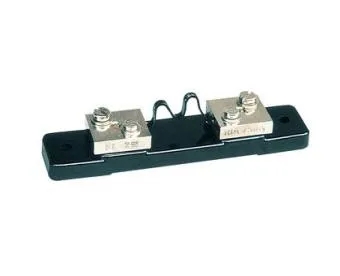
2. Hall current sensor
The magnetic field generated by the measured current flowing through the conductor is compensated by the magnetic field generated by the compensation current controlled by the output signal of the Hall element flowing through the secondary coil. When the magnetic fields of the primary and secondary sides reach equilibrium, the compensation current can accurately reflect the value of the primary current.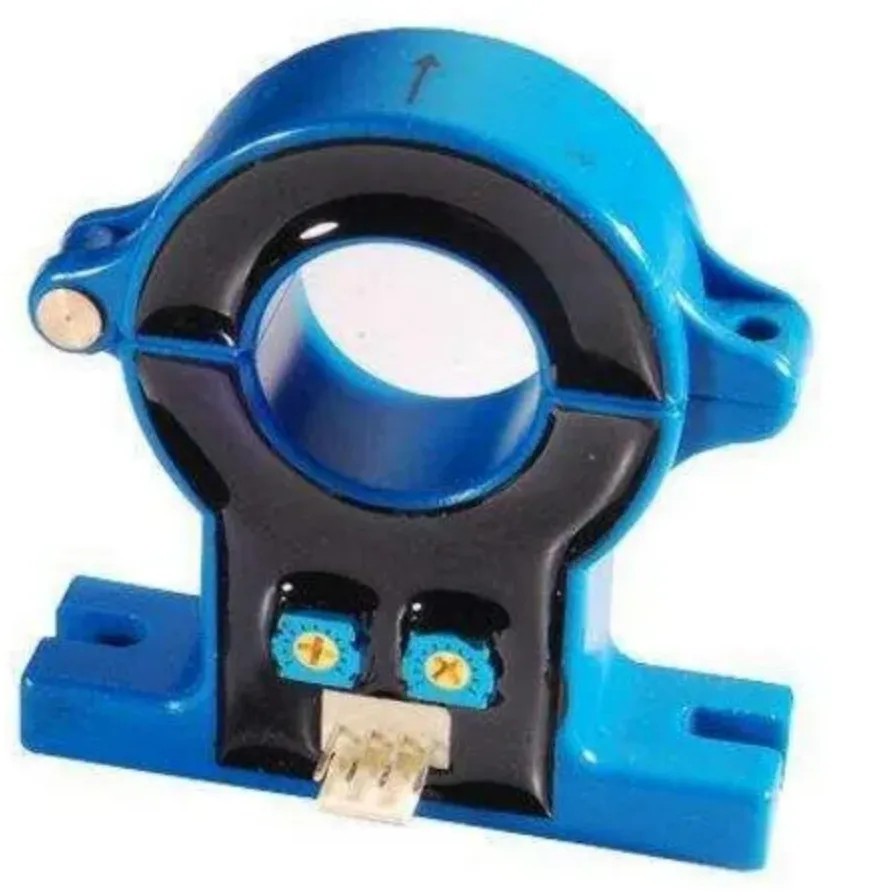
3. Fiber optic current sensor
The laser beam passes through the optical fiber and generates polarized light through the polarizer, which is incident on the magneto-optical crystal through the self-focusing lens. The polarization plane rotates by an angle of θF under the action of the external magnetic field generated by the current; it enters the signal detection system through the analyzer and optical fiber, and the current value is obtained by measuring θF.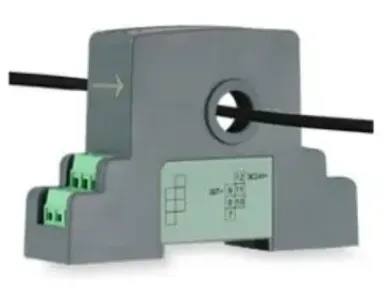
4. Fluxgate sensor
A sensor that uses the saturation excitation of the high-permeability core in the measured magnetic field in the alternating magnetic field, and the nonlinear relationship between its magnetic induction intensity and magnetic field intensity to measure weak magnetic fields.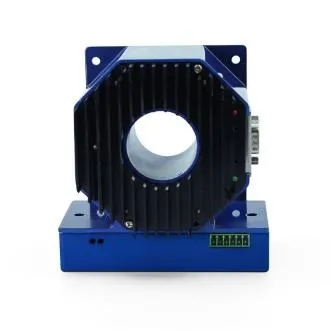
● Test items for current sensors
●Suplay sa kuryente
●Current accuracy test
●Linearity test
●Overload capacity test
●Pagsulay sa insulasyon
● NGI recommends
N3600 series wide range programmable DC power supply, a single device can provide 0~1500A current output to support parallel expansion current, its current accuracy reaches 0.1%+0.1%F.S., and the rising and falling slopes can be customized.
N3200 series high voltage programmable DC power supply, the optional parameters of its voltage output include ±2.5kV, ±5kV, ±10kV, the device has trip voltage and current alarm reminder, and supports DC insulation withstand voltage test.
N3410 series three-channel programmable DC power supply, CH1/CH2 channel voltage can reach up to 60V, and supports three modes: series, parallel, and tracking. The tracking mode can achieve positive and negative voltage output, and it has a built-in 5-bit high-precision DVM digital voltmeter function.